

Live poker tells beginners pick up at a Gold Coast card room rarely look like the dramatic sighs you see in movies. Most of the time, a player’s tell is a tiny shift in chip handling, a glance that lingers too long, or a betting rhythm that breaks at the wrong moment. For adults 18 and over who want a steadier approach to live tables, the useful skill is learning to separate a genuine tell from normal table noise. That discipline matters just as much as the mathematics behind any game, because a misread gesture costs you chips faster than a bad draw.
What Live Poker Tells Beginners Actually Notice
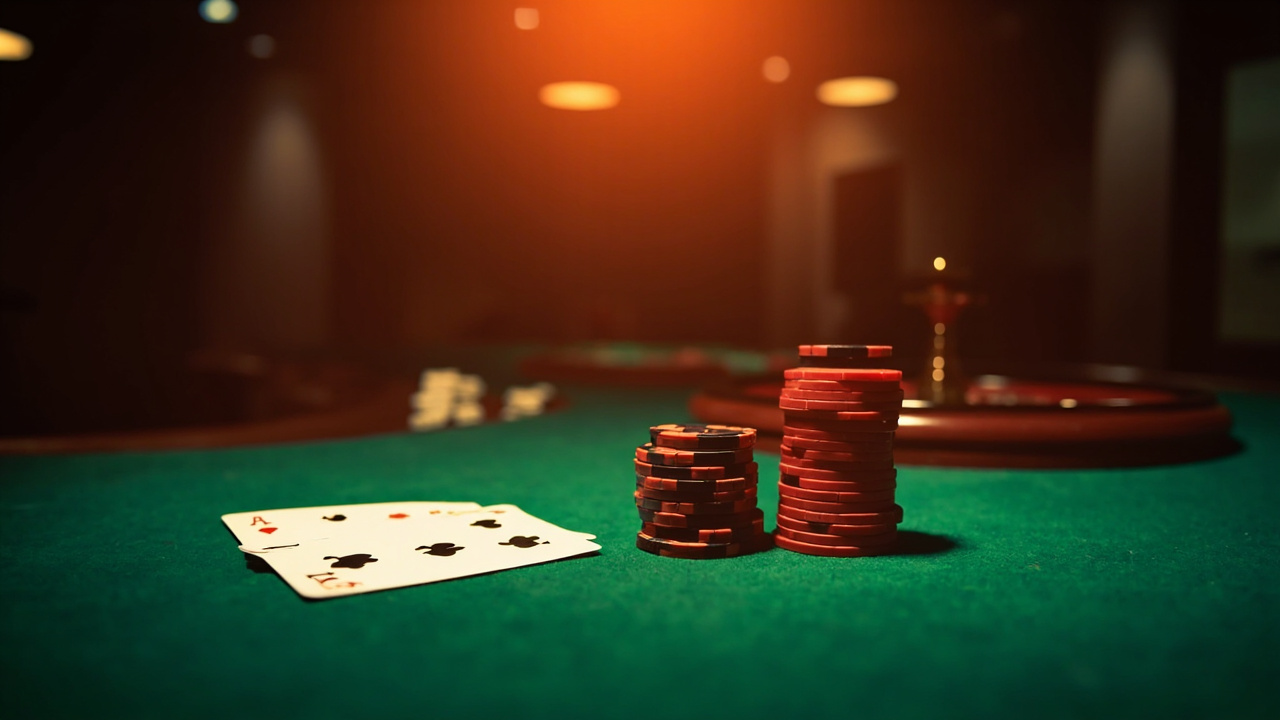
When you first sit down, the temptation is to watch every hand like a radar sweep. That approach burns attention fast. A better starting point is to track a single repeatable behaviour per opponent, then watch for breaks in that pattern. The players who do this well treat tells the same way a designer treats a slot reel map: you do not guess at the outcome, you model the sequence, you note where the variance sits, and you only act when the pattern genuinely shifts. That mindset keeps you from turning a nervous habit into a false read.
A few behaviours tend to show up more often than others at local live tables. A player who suddenly grips their chips right before acting may be masking a decision they have already made. Someone who glances at their phone, then back at the board, in the middle of a quiet round can be resetting their focus rather than signalling strength or weakness. The trick is not to assign a meaning on the first sighting. You note the behaviour, wait for a second or third occurrence, and only then decide whether it lines up with the bet size and position. The discipline of waiting is what separates a useful read from a lucky guess.
For a beginner, the most practical habit is to build a small observation log in your head. Write down the seat, the behaviour, and the outcome after the hand resolves. Over a few sessions, the pattern becomes clearer and the one-off flinches lose their weight. If you want a structured way to think about reading opponents without drifting into random guessing, a related breakdown on exploiter les tells au poker sans jouer au hasard lays out a more methodical approach to spotting repeatable behaviour and acting only when the pattern holds. where the gold pokies
How To Separate A Real Tell From Table Noise
The first filter is timing. A behaviour that appears before the cards are dealt usually says something about a player’s mood, not their hand. A behaviour that appears after the flop or after a bet lands carries more weight, because the player has already committed to a decision. The second filter is consistency. A nervous tick that shows up on every losing hand is often just frustration, while a change in posture that appears only when facing a raise can be more meaningful. The third filter is the bet itself. If the gesture and the chip movement do not match, treat the mismatch as your first clue rather than the gesture alone.
There is also a practical reason to stay disciplined about tells: the house and the floor staff watch betting behaviour closely, and they notice when a player’s actions do not match the stated game. The rails bookmakers hold prime positions near the members’ enclosure, which means the surrounding layout is built for observation as much as for play. That environment rewards players who keep their own behaviour steady, because erratic chip handling or sudden changes in rhythm draw attention faster than a quiet, repeatable style. Pinching a bet by removing chips after a loss is likewise detected, and once a pattern of behaviour stands out, it is harder to play naturally.
The table below summarises a few common observations and how a beginner should weight them before acting.
| Observation | What it often means | How a beginner should treat it |
|---|---|---|
| Sudden chip grip before acting | Possible commitment to a decision already made | Wait for a second occurrence before reading it |
| Glance away mid-round | Focus reset, not necessarily strength or weakness | Log it, do not assign meaning on the first sighting |
| Posture change after a raise | More weight than pre-deal movement | Compare it to the bet size and position |
| Repeated nervous tick on losses | Frustration, not a hand signal | Treat as background noise, not a read |
If your own approach to pattern modelling feels familiar, it helps to think of it the same way I build reel mathematics at Game Design Automation. When I created Slot Designer, the goal was never to guess a single outcome, it was to map how a sequence behaves across thousands of repetitions so the maths stays honest. Reading live poker tells beginners build into their tableside habits works the same way: you are mapping behaviour over multiple hands, not reacting to one dramatic moment. Togo-mines
Who This Approach Suits Best
This style suits players who prefer a measured, repeatable routine over fast, dramatic reads. It works well for adults who can sit through a few quiet sessions, take notes without losing the flow of the game, and accept that a tell is only useful when it repeats. It is less suited to anyone chasing instant answers or expecting every gesture to translate into a clear signal. The players who benefit most are the ones comfortable waiting for confirmation, because patience is what keeps a read honest.
A measured approach also fits players who already think in terms of risk and sequence. Georgia Gray, Marketing Director, Waratah Digital Group, has noted that players who treat observation like a structured habit tend to make fewer impulsive calls than those who chase a single dramatic gesture. That comment lines up with what I see when I model complex sequences: the edge comes from consistency, not from a single dramatic moment. Daniel McKenzie, Board Member, Australian Gaming Futures, has also cautioned that local live play rewards steady behaviour, because the room itself is designed to notice when a player’s rhythm breaks. That is a useful reminder that tells are only one part of a larger table dynamic.
If you want to extend the same disciplined mindset beyond live tables, you can apply the same patience to other games you enjoy on a quiet arvo, including the kind of themed machines you find at where the gold pokies. The overlap is not in the games themselves, but in the habit of watching patterns before you commit.
Conclusion
Live poker tells beginners build into their tableside habits are most useful when they are treated like a small, repeatable observation rather than a dramatic revelation. The edge comes from waiting for a pattern, matching it to the bet and the position, and refusing to act on a single glance. That discipline keeps your play steady, your reads cleaner, and your session less noisy.
Deje un comentario sobre esto